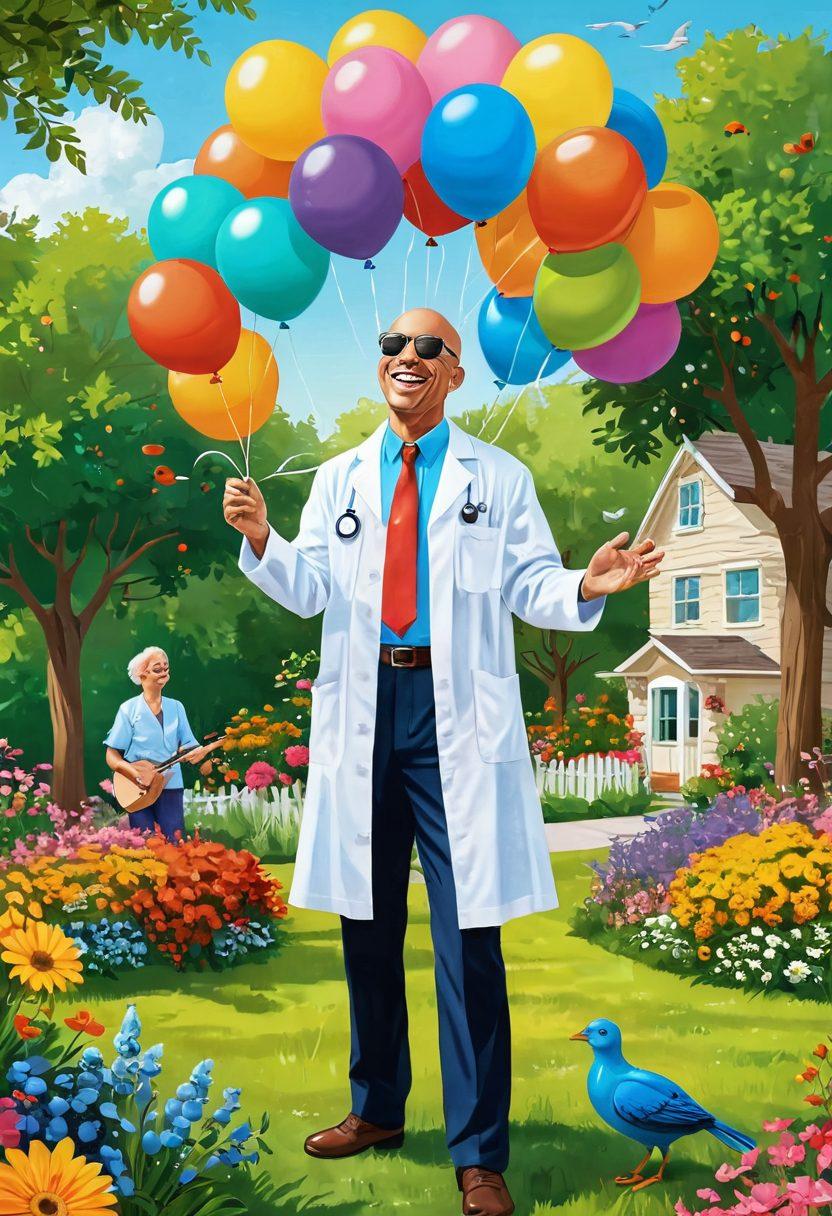
Laughter is the Best Medicine: A Comedic Take on Cancer Awareness and Treatment
In the face of adversity, often the most powerful weapon we have is our sense of humor. Imagine sitting in an oncology waiting room, filled with tension and uncertainty. What if, while waiting for a follow-up on potentially life-threatening tumor results, someone cracks a joke? Perhaps, they quip, 'Why did the tumor join a gym? Because it wanted to get rid of its bad cells!' Suddenly, laughter erupts. This moment, fragile yet full of warmth, encapsulates how laughter can serve as a beacon of hope, proving that humor can play a vital role in cancer awareness and treatment.
As society progresses, we learn the importance of addressing tricky subjects with a touch of levity. Think about it: cancer, with all its complexities and fears, is often met with somber faces and hushed tones. Yet, amidst the anxiety of a malignancy diagnosis, there lies an opportunity for funny health articles and medical humor to lighten the load. After all, isn't laughter one of the best coping mechanisms? It draws people in, encouraging camaraderie amongst cancer survivor stories. Sharing a funny cancer story can pave the way for healing and a deeper understanding of one’s journey.
"Laughter is the shortest distance between two people," said Victor Borge, reminding us of the connective power of humor. It can break down barriers, ease the discomfort of discussing tough subjects like cancer treatment, and bring people together for a common cause: cancer awareness. What if, instead of only solemn PSAs about disease prevention, we launched campaigns filled with lighthearted commentary, spotlighting 'sick humor' alongside facts? Imagine gatherings focusing on laugh therapy, where patients, caregivers, and allies exchange jokes about illness, transforming fear into fellowship.
In 2023, we continue to see the incredible benefits of integrating comedic medicine into healthcare. Numerous studies have shown that laughter positively affects mental health, pain perception, and even immune response. As we explore the impact of cancer research on patient support, could we also consider the value of a good chuckle? From nerdy humor that provides a different outlook on a diagnosis to satire on health that encourages a broader dialogue, humor offers a novel approach to patient engagement. Who wouldn't feel a little better with a humorous spin on an otherwise daunting conversation?
For those navigating the intricacies of cancer treatment, it’s essential to embrace life’s lighter moments. How can we ensure that humor becomes a staple in our wellness lifestyle? Start by seeking out comedic content that resonates with you—whether it’s stand-up routines, funny movies, or sharing jokes about illness with friends. In addition, consider joining support groups that cultivate an atmosphere of laughter amidst shared experiences. After all, infusing medical insights with humor can make the journey just a bit brighter, serving as a reminder that even in the darkest times, laughter truly is the best medicine.
From Tumors to Laughter: The Lighter Side of Oncology
In a world where tumors might feel like the reigning monarch of the uninvited, learning to bring laughter into the oncology realm could transform the narrative entirely. Have you ever noticed how laughter seems to thump its chest triumphantly, declaring victory during some of our darkest moments? Like a comedic superhero, humor fights malignancy with the power of levity, reminding us that life can be filled with joy even amidst the fiercest battles with cancer. Here’s to possibly the best advice we’ll hear—not just from our doctors— but rather from that funny friend who always knows the right moment to crack a joke: ‘Laughter might not cure cancer, but a good chuckle is excellent medicine!’
Let’s be honest—the world of cancer awareness can often feel heavy and daunting. The sight of stark white coats, syringes, and the often-dreaded “treatment plan” can suck the joy out of any room. Yet, what if we embraced a little medical humor? Workshops where cancer patients share their funny health stories could spread “laugh therapy,” the unsung hero of reconnecting folks with liveliness and joy in a health blog format. Picture this: a patient recounting their chemotherapy experience turned stand-up comedy routine. Their humorous quips about having to even ask ‘How do I wear this beautiful hospital gown?’ in front of a crowd provide a much-needed dose of relatability. How cool is that? We are not just patrons to the oncology waiting room; we are comedians in the making!
Cancer survivor stories are goldmines for inspiration, but add a pinch of satire on health and you have a recipe for rich engagement. The best part? These tales don’t always carry the solemn tone you might expect. Ever heard a cancer survivor joking about how their tumor evil twin was an overachiever? Such 'sick humor' humanizes the disease, making readers chuckle as they nod their heads in solidarity. The laughter resonates and creates a genuine bond—after all, you’re not just a number, you are a whole person with passions, quirks, and yes, a sense of humor that can brighten even the darkest oncology corridors.
But let’s dive deeper; what about our daily lifestyle choices? Can a joke about broccoli inspire better eating habits? Absolutely! In the realm of disease prevention, we can approach healthy eating, fitness, and wellness with a lighthearted commentary that might just make the broccoli taste a bit sweeter. Rather than another dreary PSA (public service announcement) about cancer risks, what if we start a funny health article series inviting people to share their 'health fails'—like the time they tried kale chips and somehow set off the smoke alarm? We would lift spirits and yet disseminate valuable information about cancer awareness—a merging of laughter and learning, creating a space for patient support and shared experiences. After all, nothing bridges connections like a common giggle!
Laughter truly is a tool in the chest of comedic medicine. It helps alleviate the tension that often surrounds cancer treatment. Imagine walking into an oncology clinic where every appointment is interspersed with jokes about illness, like 'So, I told my tumor to get lost! And you know what? It didn’t have a sense of humor!' Suddenly, the energy lifts. Conversations around cancer research can take a more favorable tone as patients and healthcare providers swap funny cancer stories while discussing treatment options, easing the fear that often comes with a diagnosis. So why not sprinkle a little nerdy humor into our lives and situations? Let’s playfully dare to imagine a world where laughter partners hand-in-hand with serious health topics, creating not just awareness but a community vibrant with hope, enthusiasm, and understanding.
Healing with Humor: Comedic Insights on Cancer Treatment and Wellness
Laughter, often considered the best medicine, has a unique place in our hearts and minds, especially when we face tough times like the journey through oncology. Yes, you read that correctly! The connection between comedy and wellness isn’t just a cliché; it’s backed by research and shared human experiences. Imagine this: what if instead of fearing the diagnosis, we could equip ourselves with a hearty laugh and a funny health article to lighten the mood? It’s a radical thought, but the absurdity of some cancer treatments can become a treasure trove of comedic insights, turning a weighty subject into a canvas for lighthearted commentary and relatable stories.
Speaking of relatable, have you ever been in a waiting room, surrounded by anxious patients, where the tension felt thick enough to cut with a knife? In those moments, a funny cancer story shared among patients can invoke laughter that permeates the air, offering relief from the nerves and fears that accompany such malignancies. One minute, you’re all discussing treatment options, and the next, someone cracks a joke about the number of needles involved in cancer treatment. As a 'sick humor aficionado,' let me tell you: laughter doesn’t negate the pain but helps create an environment where people support one another. So, what’s the best joke you’ve heard about illness to break the ice?
Incorporating medical humor into cancer awareness not only encourages communication but also fosters a community of cancer survivors who can lean on each other. You see, behind every tumor or malignancy lies an array of disease prevention tips, research breakthroughs, and a plethora of cancer survivor stories waiting to be told. These narratives, sprinkled with humor, provide not only comfort to those currently facing cancer treatment but also enlightenment for their loved ones. Imagine the power of laugh therapy—a chance for us to say, 'If I can laugh about this, I can overcome it.' Shall we dare to approach our healthcare journey with a touch of nerdy humor?
Let’s not skim over the seriousness of cancer treatment because it certainly warrants our focus. However, by weaving in satire on health, we can showcase the absurdity of certain situations we encounter along the way. Think about those moments when a doctor’s advice feels more ludicrous than insightful, or when struggle and triumph collide in therapeutic ways. It’s through these avenues of humor that we can genuinely create a health blog full of actionable insights—reminding us that we’re not just patients on a path but individuals capable of finding joy, laughter, and acceptance amid the chaos.
It’s essential to remember that while we fill our blogs with funny health articles and lighthearted commentary, we should always respect the gravity of our situation and those of others. Cancer awareness can thrive through compassionate humor, allowing more people to engage openly. So, what’s your perspective on mixing comedy with cancer treatment? Do you have any funny cancer stories that turned a cringe-worthy moment into a highlight of your journey? It is time we embrace laughter as part of our lifestyle, not just as a distraction but as a vital tool in our wellness toolkit. After all, if we can laugh through the pain, perhaps we can heal through it as well.